Your wardrobe. Your way.
New looks. Not new clothes.
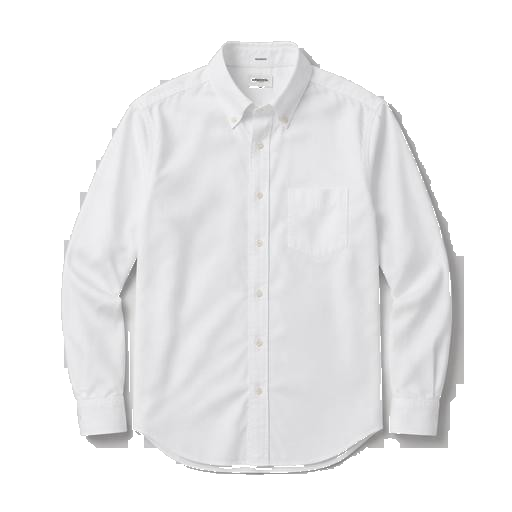
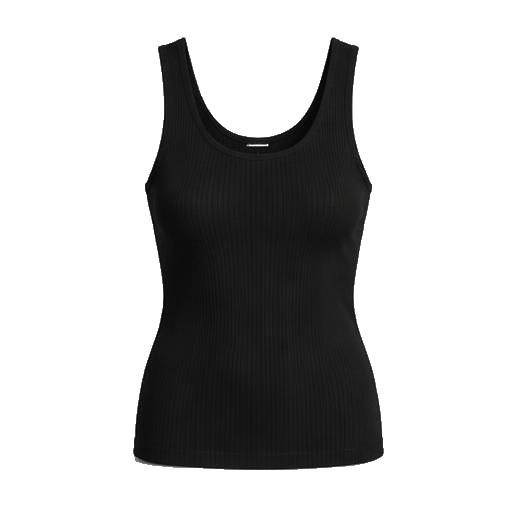
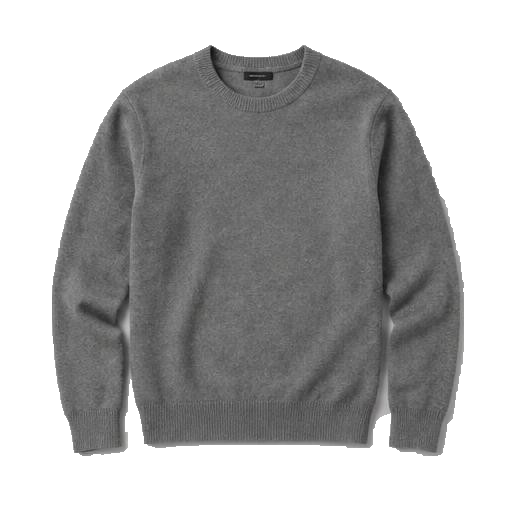
Sample wardrobe edit
romantic for date
Opening your wardrobe…
More life in every piece.
Rewear. Repair. Recirculate.
Rewear what you own. Keep textiles in use for longer and reduce demand for new clothing before looking for something new.
Rewear & reconnect
An overlooked piece can become a favourite again. More wears mean a lower cost-per-wear, not a bigger shopping list.
Repair & recirculate
Mend a seam, alter the fit or upcycle what no longer works. Swap or resell usable pieces so someone else can keep wearing them.
AI with intention
AI suggests clothing tags; you review them. Outfits use your wardrobe tags, not new photo analysis. Check sustainability claims independently; a style match is not a reason to buy.
Wardrobe utilisation
—
0 of 0 personal pieces have a recorded wear; 0 have none. Samples excluded. No recorded wear does not mean never worn.
How we measure progress
- Wardrobe utilisation
- Personal pieces with at least one recorded wear ÷ all personal pieces × 100. This is lifetime recorded use, not price-weighted ROI or a climate score.
- Garments reactivated
- Proposed indicator: distinct garments worn again after 90 days without wear. Not measured yet: dated wear history is needed; current wear counts are not enough.
- Estimated purchases avoided
- Proposed indicator: purchases users report skipping because they wore an existing outfit. Not collected yet; outfit generation alone does not count as a purchase avoided.
- User retention
- Proposed indicator: the share of a signup cohort returning for a wardrobe action on days 30–36. Not measured yet; it requires privacy-reviewed activity tracking.
These habits support waste prevention and climate action. fshn does not currently quantify textile waste or emissions saved.